

Updated Nov. 2026
Virtual CIO services allow a business to outsource the responsibilities of a chief information officer (CIO) to a services provider or consultant. Virtual CIO services often include short-term and long-term IT strategy, evaluating new technologies for use in the company’s operations, and disaster recovery planning.
Why It Matters to Your Customers
Even if your clients have in-house IT resources, they may need guidance to look at the big picture when it comes to their IT environments. It is easy to get caught up in day-to-day tasks, keeping systems updated and running, and not take the time to develop an IT roadmap or consider the benefits that migrating to new technology can provide regarding productivity or efficiency. Your client may also lack experience with budgeting for a tech upgrade, managing an IT migration with minimal disruption to operations, or achieving maximum stakeholder buy-in.
Outsourcing CIO tasks to a services provider can also represent significant cost savings. A virtual CIO services provider will often charge less per month than the cost of hiring an experienced full-time professional to fill the role in-house. The services provider will also have staff and processes in place to be responsive 24/7, something that could not be expected of an in-house CIO.
Why Virtual CIO Services is an Opportunity
By functioning as a CIO for your clients, you will expand and solidify your relationship with your client. As an outsourced CIO, you will learn the details of many aspects of your client’s business, which can reveal additional opportunities to provide solutions or services. You can charge a monthly fee to act as an outsourced CIO or bundle virtual CIO services with other offerings that you provide, such as managed security, Infrastructure as a Service, or mobile device management.
If you already deliver vCIO services, a virtual CISO (vCISO) offering or an AI-governance advisory layer is a natural next step. To build out that practice, see Build recurring revenue with vCISO services, AI governance for MSPs: add it to your vCISO service, How to Build the Best vCIO Offering, and The Market for vCIO Services is Growing.
Virtual CIO Trends & Case Studies

Why It’s Time for MSPs to Offer vCIO Services

Avoid the “Over-Promise, Under-Deliver” Trap with vCIO Services

Businesses Are Outsourcing IT – Stand Apart with vCIO Services

Best Practices That Should Be A Part of Every Virtual CIO Offering

How to Build the Best vCIO Offering

The Market for vCIO Services is Growing
Recurring Revenue Best Practices
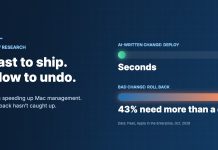
AI is speeding up Mac management. Rollback hasn’t caught up.

From second brain to new revenue: practical AI lessons for MSPs

What MSPs can learn from BlueStar’s AI marketing experiments

How to make the transition from MSP to SSP

Reverman: Ecosystems have replaced the sales model

