

Loyalty Programs
A cloud-based loyalty platform enables a merchant to enroll customers in a rewards program, engage them through an app, texts or email messaging, accurately award rewards and allow the customer to redeem them easily in-person or online. Cloud-based platforms can be scaled quickly and may include an analytics component that can help the merchant them personalize engagements and enhance efforts to build loyalty.
Why Loyalty Programs Matter to Your Customers
Technology disruption in virtually every market has businesses facing new competition from e-commerce as well as new brick-and-mortar competition expanding their product lines to attract new business. With so many options available to consumers—and millennial consumers less likely than older generations to stay loyal to a brand—business are putting renewed emphasis on strategies to attract and retain customers.
Consumers respond to loyalty programs that offer relevant rewards that customers find valuable. In addition, the data collected from a loyalty platform can provide merchants with greater insights into customers’ preferences and behaviors, which can help them make smarter decisions related to inventory, merchandising and pricing that result in a healthier bottom line.
Why Offering a Loyalty Program is an Opportunity
A cloud-based loyalty platform has a number of advantages over an on-premises system, such as software updates and data backup in the cloud, which can make it an attractive option to your prospects, especially if it is part of an integrated, bundled offering with point of sale (POS) add-ons like gift cards and online ordering.
Discuss cloud-based loyalty platforms with your merchant customers in highly competitive markets, emphasizing their agility when the merchant wants to test new reward categories or different types of customer engagement.
Loyalty Program Vendors
It’s important to note that the vendors listed below provide loyalty functionality differently. For example, some have built loyalty into their POS software platforms, making the functionality available as a standard feature, providing no additional recurring revenue opportunities. Some charge for loyalty as an additional service. Some vendors rely on a third-party for the functionality. Some companies are those third-parties. Where possible, companies that are known to provide loyalty at a cost resulting in additional recurring revenue are denoted with an asterisk (*).
In the near future we’ll be conducting a thorough comparison of these vendors to provide more clarity around which create additional recurring revenue streams and which provide the feature as a value-add. We’ll also be investigating the merits of offering loyalty for free as part of an overall SaaS-based POS solution.
- ACCEO Logivision
- bLoyal
- Clover
- COCARD
- Como*
- eCard Systems*
- eMobilePOS
- Focus POS
- FuturePOS
- Givex*
- Harbortouch
- Heartland Dinerware
- Idealpos Solutions
- J3 POS
- Lavu
- Lightspeed
- MobileBytes
- NCC Reflection
- NorthStar
- Omnivore*
- Opt-In Media Corp.
- Paradise POS
- Paytronix*
- POSBANK
- Posera
- POSitouch
- Restaurant Manager
- Retail Hero
- Revel Systems
- Rezku POS
- RPOWER
- ShopKeep
- SoftTouch
- The Customer Connection*
- Toast
- TouchBistro
- UpServe
- Vend
Loyalty Programs Trends & Case Studies
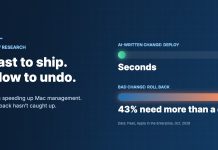
AI is speeding up Mac management. Rollback hasn’t caught up.

From second brain to new revenue: practical AI lessons for MSPs

What MSPs can learn from BlueStar’s AI marketing experiments

How to make the transition from MSP to SSP

Reverman: Ecosystems have replaced the sales model

