We’ve thrown AI, training, banners, MFA, and browser isolation at the problem—and yet, they still click the link. In 2025, that hasn’t changed. Here’s what else hasn’t changed: MSPs still think more tools can fix a human problem. They can’t.
It’s not a tech stack issue. It’s a critical thinking issue. And let’s be honest—we’re not just talking about clients here. Many MSPs are leaning too heavily on automation. Dashboards, alerts, and summaries are doing the thinking for us—and it shows.
This article is a wake-up call. If your idea of cybersecurity is stacking tools and hoping AI handles it all, you’re not going to cut it. Not in 2025.
The people problem isn’t going anywhere
Users are still the weakest link. Why? Because they’re human. Phishing works because people are emotional, distracted, and overloaded. That’s not going to change.
Good MSPs don’t blame users for clicking. Great MSPs build environments that expect it and contain the fallout. That means implementing feedback loops, reducing friction, and designing systems for real human behavior – not perfection.
Detection is the new prevention
Still selling “we’ll block everything”? That narrative’s outdated. Attackers don’t need zero-days when someone’s going to open a bad PDF from “corporate HR.”
What matters now is the speed of detection and response. It’s about smart telemetry and systems that highlight anomalies before they escalate. It’s not about how tall your wall is—it’s how fast you notice someone climbing it.
That shift takes intention – and yes, thinking.
Context over content
Clients don’t need more alerts. They need clarity. More data doesn’t equal better decisions.
When something breaks through – and it will – you need to know: Who clicked? What access do they have? What’s the impact? That’s what moves the needle.
Insight comes from asking better questions and doing the work to interpret context. AI can assist – but it can’t replace judgment.
Convenience is killing discernment
AI is helpful, but too much convenience is dulling our critical thinking. Auto-suggestions and “smart” tools are replacing what used to be strategic decisions. It’s creeping into cybersecurity, too.
Some MSPs are allowing automation to make calls that should be considered carefully. That’s how you end up with generic responses, missed warning signs, and security programs that look good on paper but don’t hold up under pressure.
It’s time to re-engage. Strategy can’t be outsourced.
Compliance isn’t security
Frameworks like NIST and CMMC have their place, but compliance isn’t a synonym for protection. Passing an audit doesn’t mean you’re secure.
MSPs should help clients interpret frameworks into real-world, prioritized actions. Otherwise, you’re offering a false sense of security.
Kill the tool sprawl (and rethink the vendor channel)
Let’s face it: Many MSPs are overloaded with tools, not because they’re needed, but because vendors keep selling “solutions” that don’t solve the root problem. And the cycle continues.
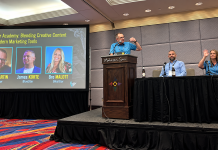
The vendor channel isn’t helping. Trade show sessions have turned into sales pitches. Educational content is scarce, and product differentiation is minimal.
We need to get back to basics. Simplicity, clarity, and effective execution matter more than the length of your stack. Tools don’t secure environments – disciplined thinking and well-trained people do.
The bottom line
Cybersecurity in 2025 is less about what’s in your stack and more about what’s in your head. It’s about judgment, focus, and having the presence of mind to lead your clients wisely.
Yes, users will still click the link. The real question is: will you have built a practice that sees it, contains it, and learns from it – or will you be caught off guard, again?
The MSPs that thrive in 2025 are those who continue to think critically, while others drift into a dependency on automation.